|
The
problem with cutting fibrous root systems that hamper excavation
was identified by studying the data in the Database of Demining
Incident Victims in which several excavation incidents appear to
have been caused by the deminer pulling roots. The deminers did
not have a tool to cut roots and so inadvertently pulled the root
while trying to sever it with an inappropriate tool. The root
then put pressure on a nearby mine.
This
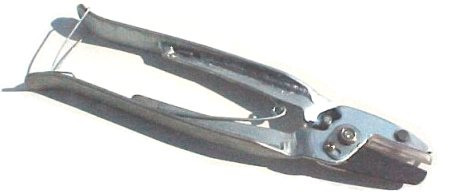
root-cutter design is based on an existing effective cutting tool
– a pair of anvil secateurs. Anvil secateurs do not have cross-over
blades and so do not “pull” fibrous material. This tool is seen
as an improvement on existing gardening tools but not a
final design solution for the task.
The
tool is designed for one handed use. This limits the length of
handles that can be used. The entire tool is 25cm long but the
hand may start only 15cm from any blast. The number of separate
parts has been reduced and the spring pivot moved well away from
a blast.
The
root-cutter has a securely welded all metal construction with
the exception of the anvil itself which is made from polycarbonate
(the same material as demining visors). Polycarbonate burns or
distorts rather than shatters in blast situations. The cutting
blade is made from hard steel, the springs from spring-steel and
the rest of the tool from mild steel. The handles and springs
are galvanised after manufacture. It can cut roots up to 2cm in
diameter.
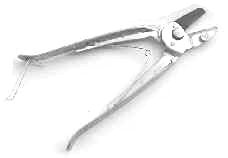 The
tool is released by gentle pressure on the handles and is “naturally”
in an open position, so making one-handed use easy. The
tool is released by gentle pressure on the handles and is “naturally”
in an open position, so making one-handed use easy.
In
tests, the metal parts of the tool stayed in one piece when
placed on top of a mine. The polycarbonate “anvil” for the blade
was blown off and was not found. Its mild steel rivet stayed in
place.
All SD tools can be adjusted to meet your requirements but significant changes should always be blast tested to ensure that safety has not been compromised.
|
 Demining root cutters (Secateurs)